Table of Contents
- Introduction: What Are Bobble Heads?
- Materials Used in Bobble Head Creation
- Polymer Clay vs. Resin
- The Step-by-Step Process of Making a Bobble Head
- Step 1: Designing the Bobble Head
- Step 2: Sculpting the Figure
- Step 3: Mold Creation
- Step 4: Casting and Painting
- Step 5: Assembling the Parts
- The Role of Customization in Bobble Head Making
- Custom Bobble Heads with Logos
- Size Options and Personalization
- Why Are Bobble Heads So Popular?
- Common FAQs About Bobble Heads
- Conclusion: The Charm of Custom Bobble Heads
Introduction: What Are Bobble Heads?
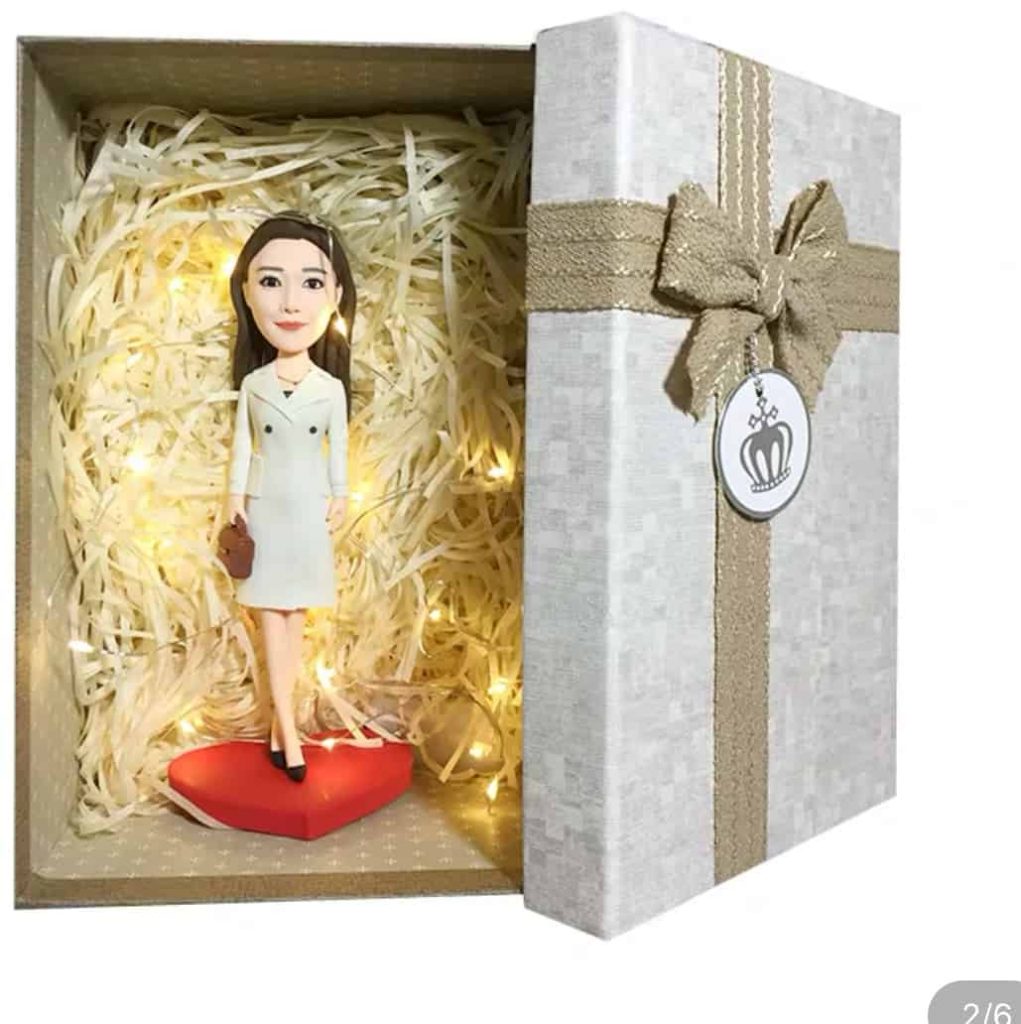
Bobble heads are collectible figurines that are characterized by their oversized heads that “bob” or move when touched. These novelty figures are often modeled after celebrities, sports figures, or even everyday people. They have been a part of pop culture for decades, gaining popularity due to their playful and whimsical design. Whether used as promotional items, personalized gifts, or simple collectibles, bobble heads have maintained their charm and are loved by many.
So, how exactly are these quirky figurines made? In this article, we will explore the detailed process involved in creating bobble heads, the materials used, and the customization options available. From design to assembly, here’s everything you need to know about how bobble heads are made.
Materials Used in Bobble Head Creation
When it comes to making bobble heads, the choice of material is crucial in determining the final look, durability, and overall feel of the product. The most common materials used are polymer clay and resin.
Polymer Clay vs. Resin
Bobble heads can be made from a variety of materials, but polymer clay and resin are the most widely used for their flexibility, ease of molding, and durability. Here’s a closer look at both:
Polymer Clay
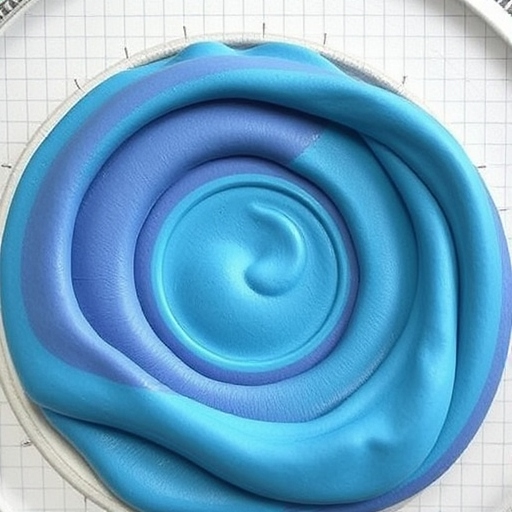
Polymer clay is a type of modeling clay that can be baked in a standard oven to harden. It is often used for creating the detailed features of the bobble head, such as facial expressions, hair, and accessories. Polymer clay is flexible, allowing for intricate detailing, and it hardens into a lightweight but sturdy finish after baking.
Advantages of Polymer Clay:
- Detail-Oriented: Ideal for fine details like facial features.
- Lightweight: Makes the bobble head easy to handle.
- Versatile: Can be shaped into different textures and colors.
Resin
Resin is a popular material for bobble head production because of its strength and durability. It is typically used for casting the body and head of the bobble head. Resin can be poured into molds and hardens into a rigid, high-quality finish that can withstand wear and tear. Resin bobble heads are often more durable and slightly heavier than those made from polymer clay.
Advantages of Resin:
- Durable and Sturdy: Long-lasting, less prone to breaking.
- Smooth Finish: Offers a smooth, polished look.
- Customization: Can be easily painted and customized for different designs.
The Step-by-Step Process of Making a Bobble Head
Creating a bobble head involves several meticulous steps to ensure it is both visually appealing and functional. The key to making a great bobble head lies in attention to detail, as the “bobbing” motion is a critical feature. Here’s a breakdown of the process:
Step 1: Designing the Bobble Head
The first step in the process is the design phase. The design stage is where the artist or designer works with the client to create the look of the bobble head. This is when the proportions, pose, and personality are determined. The designer will take into account features like the person’s hairstyle, clothing, facial features, and any other distinctive characteristics.
Designs can range from a simple cartoonish style to hyper-realistic portrayals of the subject. If it’s a custom bobble head, the client’s input plays a huge role in this phase.
Considerations in the Design Phase:
- Facial Expressions: A major part of the bobble head’s character.
- Posture: Whether the figure is standing, sitting, or holding an object.
- Size: Standard sizes like 6.5 inches, or custom sizes (8, 9.5, or 12 inches).
Step 2: Sculpting the Figure
Once the design is finalized, the sculpting begins. This step involves molding the base material, either polymer clay or resin, into the basic shape of the bobble head. Sculpting is a delicate process that requires skill, especially when making custom figures that resemble real people or characters.
The head is generally larger than the body, and the key feature—the “bobble” effect—is added by ensuring that the head is attached to the body via a spring mechanism.
Tools Used in Sculpting:
- Sculpting tools for fine details
- Molds for consistency in shape
- Reference images for likeness
Step 3: Mold Creation
Once the figure is sculpted, the next step is to create a mold. A mold is essential for replicating the design in mass production, especially for custom bobble heads. Molds are usually made from silicone or other flexible materials to ensure easy removal of the bobble head once it’s cured.
The mold is created in two halves: one for the front and one for the back. The sculpted figure is placed into the mold, and the material is poured in to form a cast.
Step 4: Casting and Painting
Once the mold is ready, it’s time for casting. The mold is filled with resin or polymer clay to create a solid figure. After the casting material hardens, the bobble head is removed from the mold, and any excess material is trimmed away.
The next step is painting. The painting is usually done by hand, and this is where the bobble head starts to resemble the final product. Fine details such as eye color, skin tone, and hair color are painted on, and the figure is then sealed to protect the paint.
Painting and Detailing:
- Airbrush or fine paintbrush techniques for detailed features.
- Applying multiple layers of paint for smooth, even coverage.
- Adding final touches like clothing patterns, logos, or accessories.
Step 5: Assembling the Parts
The final step in the process is assembling the bobble head. The head is attached to the body using a spring mechanism, which allows it to bobble or move when nudged. The spring is carefully installed to ensure that the head moves smoothly and maintains balance.
Components of Assembly:
- Attaching the spring mechanism to the neck.
- Ensuring the head bobbles smoothly.
- Final quality checks for paint and construction integrity.
The Role of Customization in Bobble Head Making

One of the most appealing aspects of bobble heads is the opportunity for customization. Custom bobble heads, such as Bbobbler 10 Different Custom Bobble Heads Bulk with Logo, offer an array of personalization options, including logo placement, clothing styles, and facial features.
Custom Bobble Heads with Logos
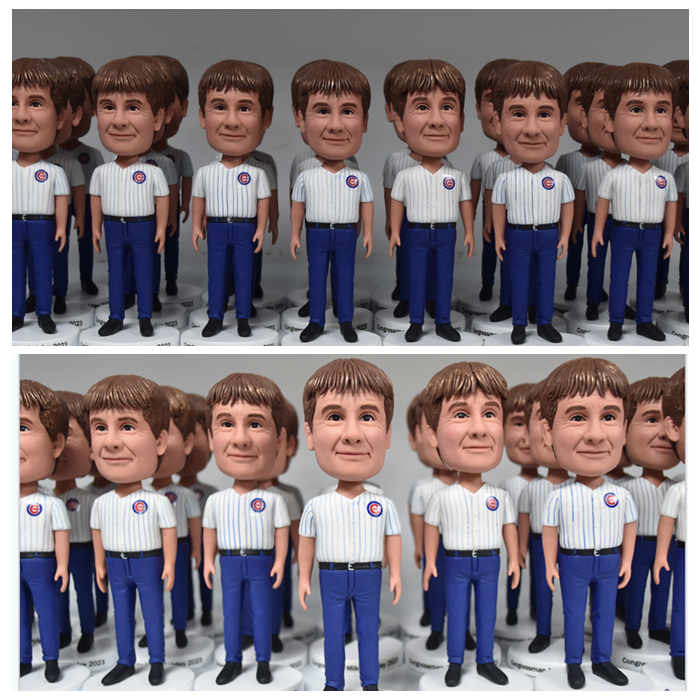
Many businesses use custom bobble heads as promotional items. A bobble head with a company logo can serve as a unique and memorable marketing tool. These bobble heads can be designed to look like employees, mascots, or even clients.
- Logo Placement: The logo can be printed on the clothing, hat, or accessories of the bobble head.
- Bulk Orders: Companies often order bobble heads in bulk for events or giveaways.
- Personalization: Each bobble head can reflect the unique personality of the individual, while still incorporating the company’s brand.
Size Options and Personalization
Custom bobble heads come in various sizes. The standard height for many bobble heads is around 6.5 inches, but for those looking for something bigger or smaller, other sizes are available.
- Standard Size: 6.5 inches (most common size)
- Larger Sizes: 8 inches, 9.5 inches, or even 12 inches
- Weight: Typically around 0.3 kg for a single bobble head at the standard size
Why Are Bobble Heads So Popular?
Bobble heads have remained popular due to their nostalgic and collectible nature. They often serve as keepsakes for fans of sports teams, movies, or celebrities. Additionally, their ability to be customized and personalized has made them a hit in both corporate and gift-giving markets.
- Collectibility: Bobble heads are often part of limited-edition series.
- Gift Items: Custom bobble heads are perfect for personalized gifts for weddings, anniversaries, or corporate events.
- Fun and Whimsical: The bobble effect itself brings an element of fun to the figurine.
Common FAQs About Bobble Heads
1. How long does it take to make a custom bobble head?
The process of creating a custom bobble head typically takes between 2 to 4 weeks, depending on the complexity of the design, the size of the order, and the level of customization required.
2. Can I order a custom bobble head in bulk?
Yes, many companies offer
bulk orders for custom bobble heads. These are often used for promotional events or as unique gifts for employees or clients. You can request specific customization, including logos, colors, and design elements.
3. Are bobble heads fragile?
Bobble heads can be somewhat fragile, especially those made from resin. However, if handled with care, they can last for many years. Some bobble heads are designed to be more durable and are intended for display rather than play.
Conclusion: The Charm of Custom Bobble Heads
Bobble heads are a delightful blend of art, personality, and functionality. The process of creating these quirky figurines involves a combination of creativity, craftsmanship, and attention to detail. Whether you’re buying one as a collector’s item, a gift, or a promotional tool, custom bobble heads continue to hold their charm due to their unique, customizable nature.
From selecting materials like polymer clay or resin to fine-tuning the bobbling mechanism, every step in the creation of a bobble head is integral to its success. With so many options for personalization, a custom bobble head is a timeless and enjoyable keepsake for any occasion.
Quick Overview Table: Bobble Head Specifications
| Feature | Bbobbler 10 Custom Bobble Heads |
|---|---|
| Material | Polymer Clay or Resin |
| Standard Height | 6.5 Inches (Custom Sizes Available: 8, 9.5, 12 Inches) |
| Weight (Single Doll) | 0.3 kg |
| Customization Options | Logo, facial features, clothing design |
| Ideal For | Promotions, Gifts, Collectibles |
| Production Time | 2 – 4 Weeks |