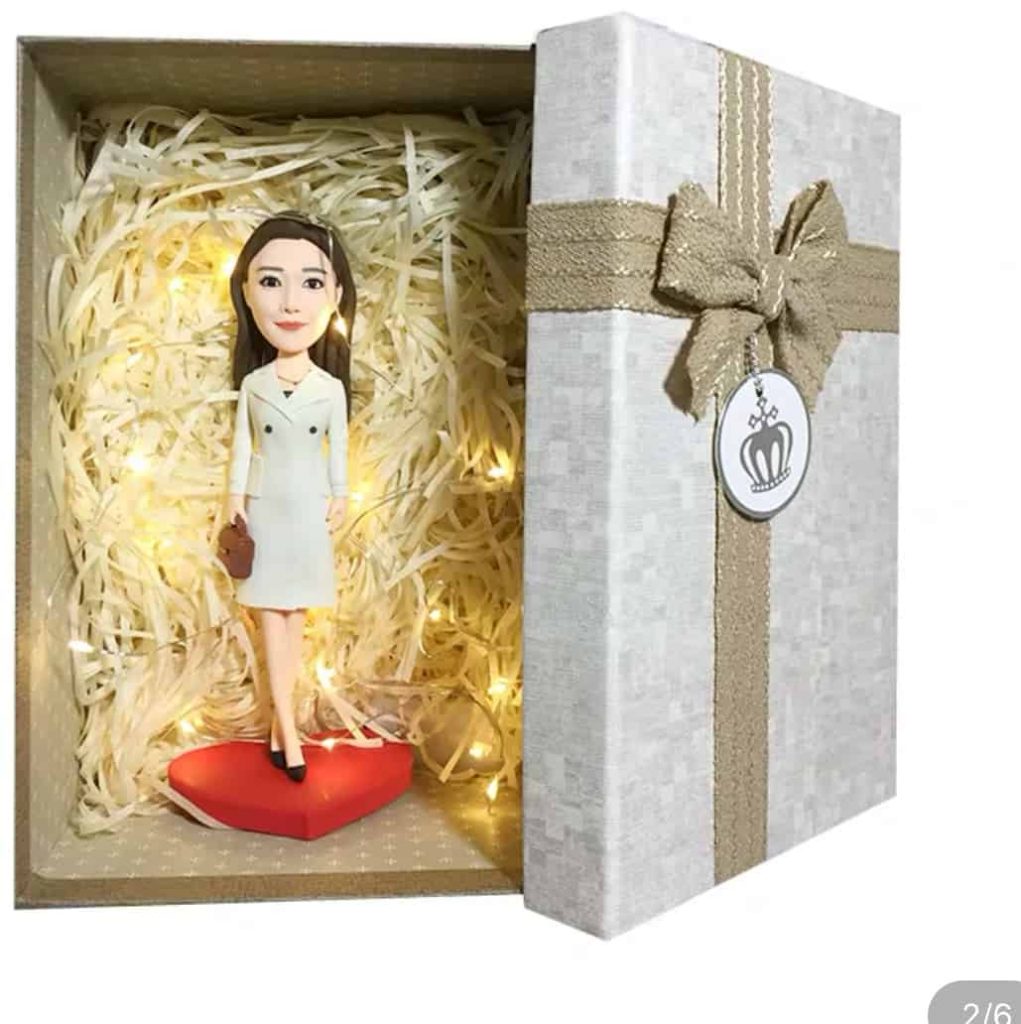
In the world of collectibles and personalized gifts, few items possess the enduring charm and whimsical appeal of the bobblehead. Whether adorning the dashboard of a car, sitting on an executive’s desk, or being handed out at a Major League Baseball stadium, these nodding figures have cemented themselves in pop culture history. However, a common question we encounter from enthusiasts and customers at Bbobbler is: when was the first bobblehead made?

The answer is more complex than a single date. While the modern commercial bobblehead exploded in popularity in the mid-20th century, the origins of the “nodder” trace back centuries earlier. As industry experts who have been custom sculpting personalized figures since 2012, we have studied the evolution of these dolls from fragile porcelain art pieces to the durable polyresin figures we craft today. Understanding this history provides a deeper appreciation for the craftsmanship involved in every Custom Bobble Head Doll produced in our studio.
- 1. The Ancient Origins: Temple Nodders of the 17th Century
- 2. Literary Evidence: The 19th Century Verification
- 3. The 1960s: The Golden Age of Sports Nodders
- 4. From Papier-Mâché to Polyresin: An Evolution of Materials
- 5. The 1990s and Beyond: The Plastic Revolution
- 6. The Era of Personalization: 2012 to Present
- 7. Determining Value: Vintage vs. Modern
- 8. Summary Timeline Table
- 9. Frequently Asked Questions
- 10. References
1. The Ancient Origins: Temple Nodders of the 17th Century

To identify the first bobblehead, we must look far beyond the baseball diamond. The earliest known ancestors of the modern bobblehead are the “Temple Nodders” found in Asia during the 17th century. These were not toys; they were intricate, often religious figurines made of clay or porcelain. The head was attached to the body with a primitive wire mechanism, allowing it to bob gently with movement.
However, the first specific reference to a bobblehead in Western culture dates to the 1760s. These figures were imported from China to Europe and became fashionable decor for the aristocracy. The most famous surviving example from this era is a pair of ceramic nodders depicting Chinese dignitaries, which were presented to Queen Charlotte of England. These figures were significantly larger and more fragile than today’s versions, serving as conversation pieces in royal courts rather than mass-market collectibles.
2. Literary Evidence: The 19th Century Verification
While physical examples from the 18th century are rare, literature confirms that the concept of a “nodding figure” was well-understood by the mid-19th century. In 1842, the renowned Russian author Nikolai Gogol published his short story “The Overcoat.” In this text, Gogol describes a character as having a neck “like the necks of plaster cats which wag their heads.”
From our experience in the industry, this literary reference is crucial. It validates that by 1842, plaster figures with moving heads were common enough to be used as a metaphor in general fiction. These early figures were likely produced in Germany, which became a hub for ceramic manufacturing. Unlike the caricatures we produce today, such as our Funny and Cool Bobblehead Style figures, these 19th-century nodders were often realistic depictions of animals or generic human figures.
3. The 1960s: The Golden Age of Sports Nodders
If you ask a sports memorabilia collector “when was the first bobblehead made,” they will likely point to 1960. This was the year that Major League Baseball (MLB) officially embraced the nodder, launching a craze that defines the industry to this day. The first series was created out of papier-mâché and imported from Japan.
This initial set included legends like Mickey Mantle, Willie Mays, Roberto Clemente, and Henry Aaron. Unlike the realistic Sports Custom Bobble Head Dolls we sculpt today based on photos, these 1960s figures were generic. They shared the same face mold; only the uniforms and painted numbers distinguished one player from another.
During this decade, the trend expanded beyond sports. The Beatles bobbleheads, released in 1964, became instant collector’s items. We also saw the introduction of political figures (like John F. Kennedy) and cartoon characters. However, the material used—papier-mâché—proved to be the industry’s downfall. These figures were incredibly fragile; they cracked, chipped, and dissolved if exposed to moisture, making pristine surviving examples extremely valuable today.
4. From Papier-Mâché to Polyresin: An Evolution of Materials
The history of the bobblehead is fundamentally a history of materials engineering. As a manufacturer, Bbobbler has analyzed the structural integrity of historical figures to improve our modern processes. Here is how the materials shifted over time:
Papier-Mâché (1960s)
The original mass-market material. While lightweight and cheap to produce, it lacked durability. The intricate details we achieve today were impossible with this rough material.
Ceramic/Porcelain (1970s)
In the 1970s, manufacturers shifted to ceramic to improve detail and finish. While these looked better, they were heavy and brittle. A simple tip-over would shatter the figure. This fragility led to a decline in popularity by the mid-1970s, causing the bobblehead market to go dormant for nearly two decades.
Polyresin (Modern Era)
This is the standard we use at Bbobbler. Polyresin is a durable resin compound that allows for high-definition molding. It mimics the weight and feel of stone or ceramic but is significantly more resistant to breakage. This material allows us to create Fully Custom Bobble Head Dolls with distinct facial features, accurate skin tones, and complex accessories like guitars or medical instruments.
5. The 1990s and Beyond: The Plastic Revolution
After a quiet period in the 1980s, the bobblehead made a roaring comeback in the 1990s, driven by cheaper manufacturing methods and a nostalgia boom. The pivotal moment occurred on May 9, 1999, when the San Francisco Giants held a Willie Mays bobblehead giveaway. It was the first stadium giveaway in decades, and the response was overwhelming.
This modern era introduced plastic as a viable alternative to ceramic, drastically reducing costs and allowing for mass production. However, for high-end custom figures, plastic often feels “cheap” and lacks the hand-painted charm of resin. This is why we recommend distinguishing between mass-produced plastic giveaways and handcrafted custom pieces.
6. The Era of Personalization: 2012 to Present
The most recent chapter in bobblehead history is the shift from celebrity figures to personalized figures. In the past, you could only buy a bobblehead of a famous athlete or politician. Today, technology allows us to create a bobblehead of you.
Since 2012, Bbobbler has been at the forefront of this movement. Customers are no longer satisfied with generic “bride and groom” toppers. They want Wedding Custom Bobble Head Dolls that match their dress, their hairstyle, and even their pets. This shift has turned the bobblehead from a passive collectible into an active expression of love and appreciation. We have seen a massive surge in demand for professional sectors as well, with Graduation Custom Bobble Head Dolls becoming a staple gift for new doctors and lawyers.
7. Determining Value: Vintage vs. Modern
Understanding the age of a bobblehead is critical for collectors. A vintage 1960s papier-mâché figure in good condition can fetch thousands of dollars. Conversely, a modern stadium giveaway might be worth $20. When evaluating a bobblehead, look for the following indicators:
- Base Shape: Vintage nodders typically have circular or square bases with simple text. Modern figures often have elaborate, thematic bases.
- Material: Tap the figure lightly. A hollow, paper-like sound indicates vintage papier-mâché. A solid, stone-like sound indicates modern polyresin or ceramic.
- Box Condition: Original packaging significantly increases value for figures from any era.
8. Summary Timeline Table
To summarize the chronological evolution of the bobblehead industry, we have compiled the following timeline:
| Era | Key Material | Major Milestone | Characteristics |
|---|---|---|---|
| 1760s | Imported Porcelain | Queen Charlotte’s Nodders | Large, fragile, aristocratic decor. |
| 1842 | Plaster | Gogol’s Literary Reference | Early commercial production in Germany. |
| 1960-1970 | Papier-Mâché | MLB Player Series | Generic faces, specific uniforms, extremely fragile. |
| 1970-1990 | Ceramic | Decline in Popularity | Heavier, better detail, but prone to shattering. |
| 1999-Present | Plastic / Polyresin | SF Giants Willie Mays Giveaway | Resurgence, durable materials, stadium giveaways. |
| 2012-Present | Polyresin (Handmade) | Rise of Customization | Personalized to photos, high likeness (Bbobbler Era). |
9. Frequently Asked Questions
Why were old bobbleheads called “Nodders”?
The term “bobblehead” is a relatively modern American invention. In the 18th and 19th centuries, particularly in Europe, they were exclusively referred to as “nodders” or “nodding figures” because the head action was a subtle nod rather than the vigorous bouncing we see today.
Are custom bobbleheads made the same way as stadium giveaways?
No. Stadium giveaways are typically mass-produced using injection molds, producing thousands of identical plastic figures. Bulk Custom Bobble Head Dolls from Bbobbler, even when ordered in volume, are hand-sculpted and hand-painted from polyresin to ensure a higher quality finish and weight.
What is the most expensive bobblehead ever sold?
Vintage 1960s promotional bobbleheads, particularly non-sports characters like The Beatles or promotional advertising mascots, have sold for amounts exceeding $30,000 to $60,000 at auction, depending on condition and rarity.
How do I clean a vintage bobblehead versus a modern one?
We recommend extreme caution with vintage papier-mâché figures; do not use water, as it can dissolve the material. Use a dry, soft brush. For modern polyresin figures from Bbobbler, a slightly damp cloth is safe for removing dust.
10. References
- Hunter, T. (2002). Bobblehead Beat: A History of Nodders. Sports Collectors Digest.
- Gogol, N. (1842). The Overcoat. (Literary reference validation).